
15+ Unique Facts About Costa Rica (2025)
Explore Costa Rica beyond the beaches. Discover its biodiversity, quirky laws, mysterious caves, UNESCO heritage & more!
Costa Rica may be small, but this vibrant nation packs in more surprises per square mile than most countries on earth. Whether you crave dazzling wildlife, rare natural wonders, or offbeat cultural traditions, the “Switzerland of Central America” promises something truly unexpected.
In a hurry? Start here:
- No standing army since 1949
- Home to 6% of the world’s biodiversity on just 0.03% of Earth’s surface
- Stone spheres of Diquís — an ancient, UNESCO World Heritage mystery
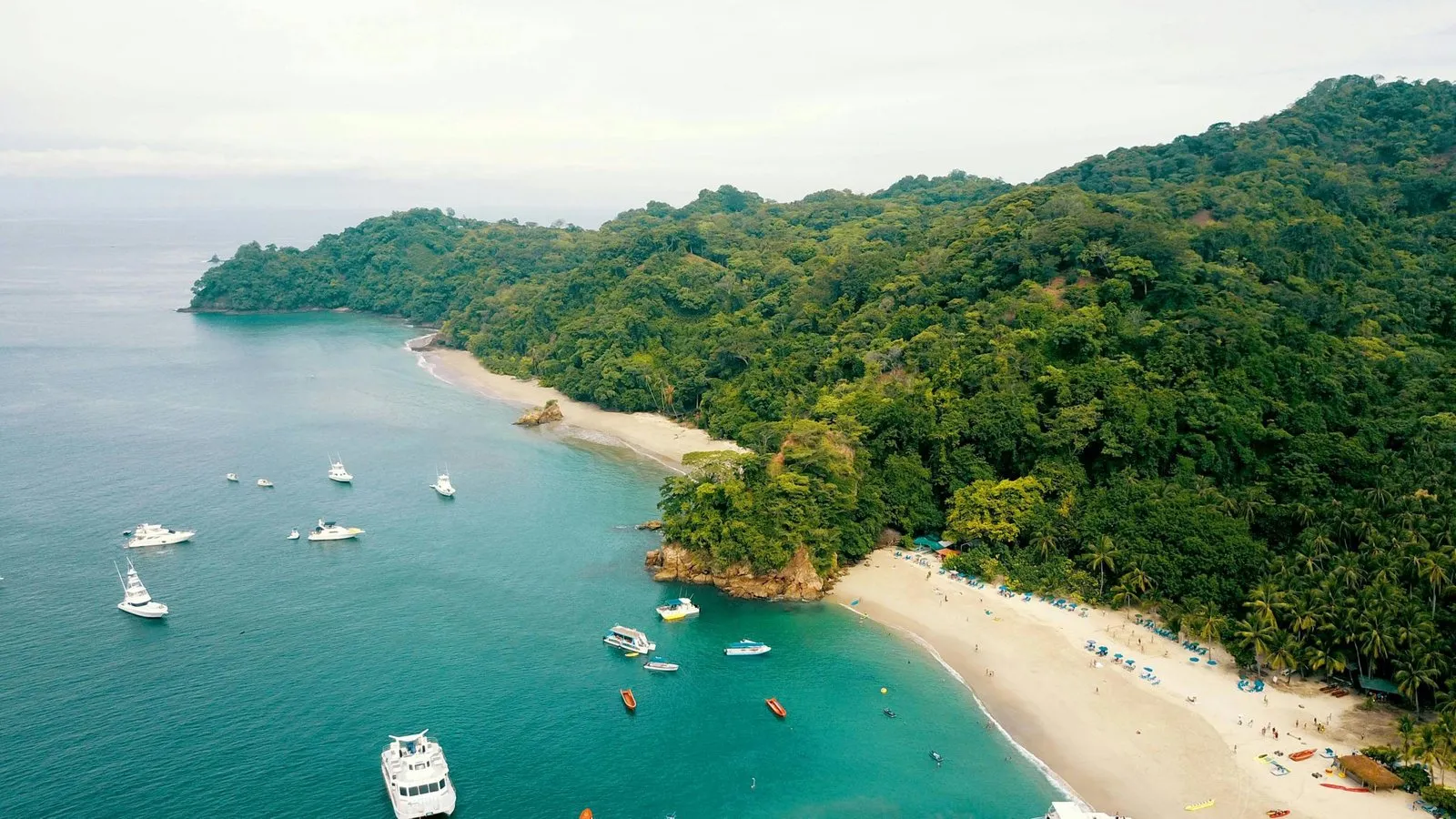
Biodiversity & Nature Surprises
Tiny but Mighty
Costa Rica covers 0.03% of the land on Earth—yet boasts about 5–6% of the planet’s total species. Its lush national parks and protected reserves make it a true biodiversity superpower and eco-travel hotspot.
Hummingbird Hotspot
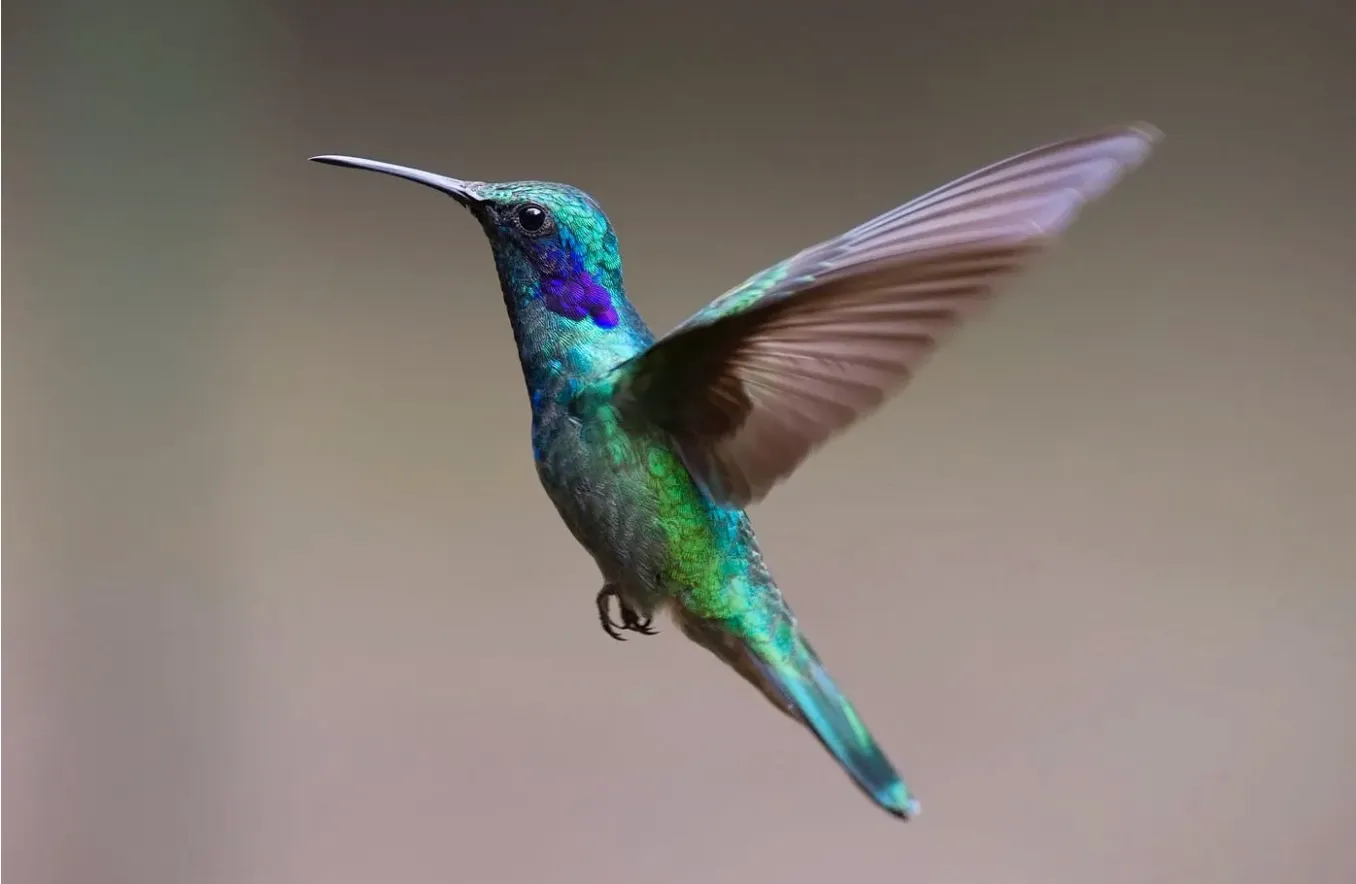
Did you know? Costa Rica’s forests shimmer with over 50 hummingbird species—one of the world’s highest densities. Birders and photographers flock here to capture the shimmering colors and rapid flight of these birds.
Butterfly Galaxy
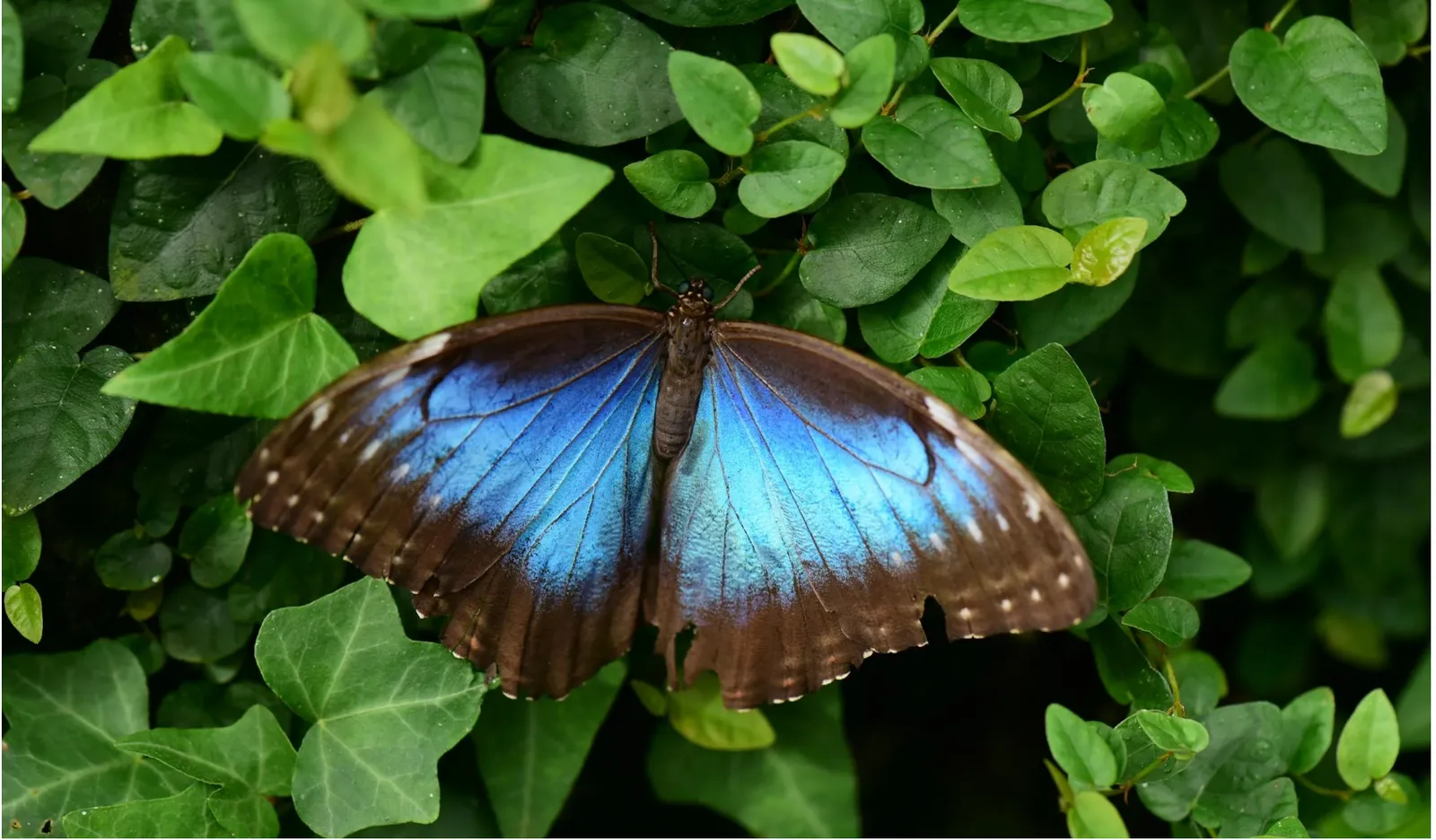
Almost 90% of all Central American butterfly species flutter through Costa Rica. Visit any cloud forest and you’ll be surrounded by a living kaleidoscope of wings—nature’s confetti.
Equatorial Light Show
Sunrise and sunset times hardly change throughout the year, thanks to Costa Rica’s position near the equator. Expect golden-hour magic every day, perfect for sunset chasers and photographers.
Stone Spheres of Diquís
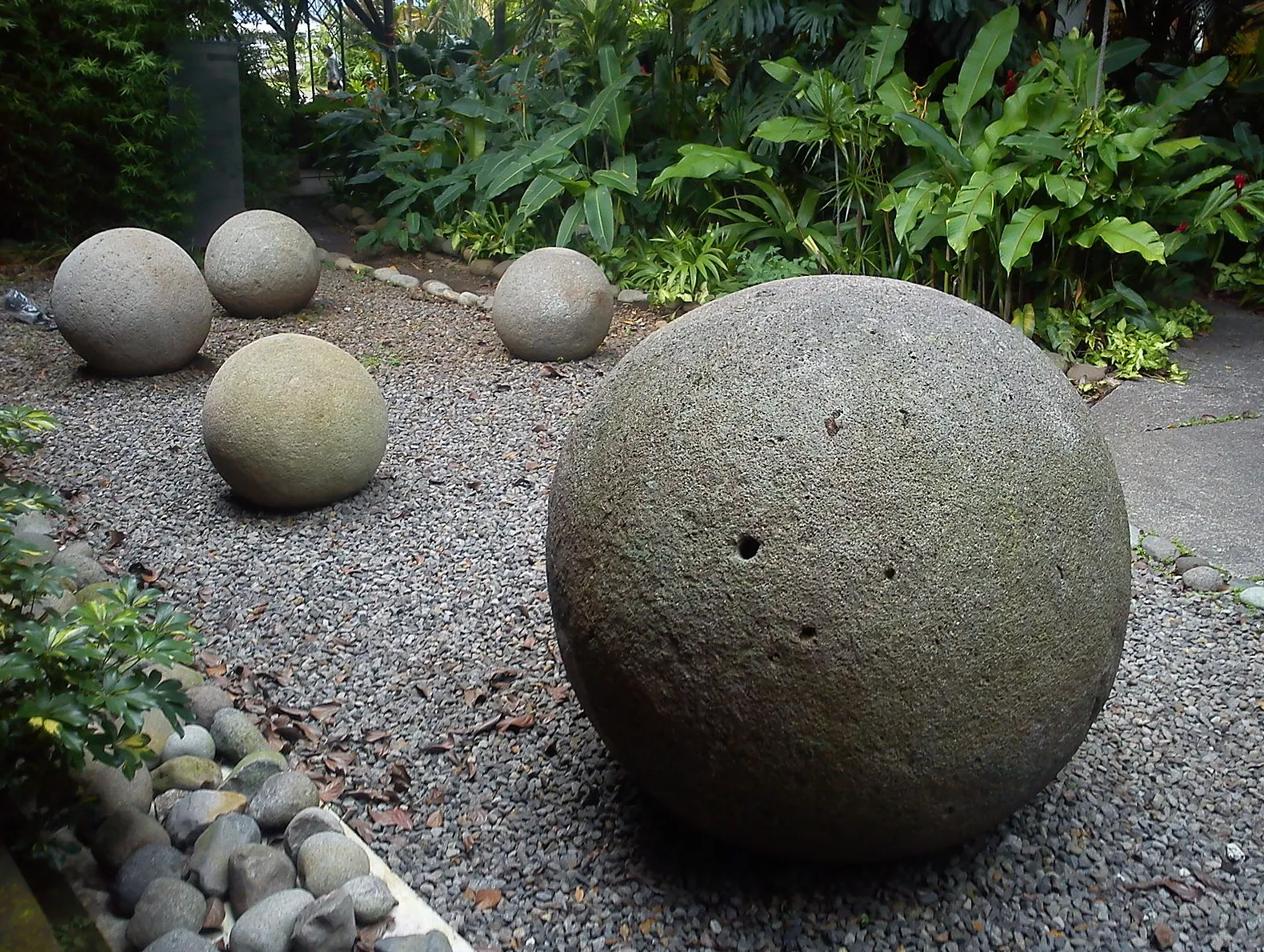
Costa Rica’s ancient stone spheres, carved between 500 and 1500 CE, are a global archaeological enigma. These near-perfect petrospheres, recognized by UNESCO, are still shrouded in mystery and local legend.
Cueva de la Muerte
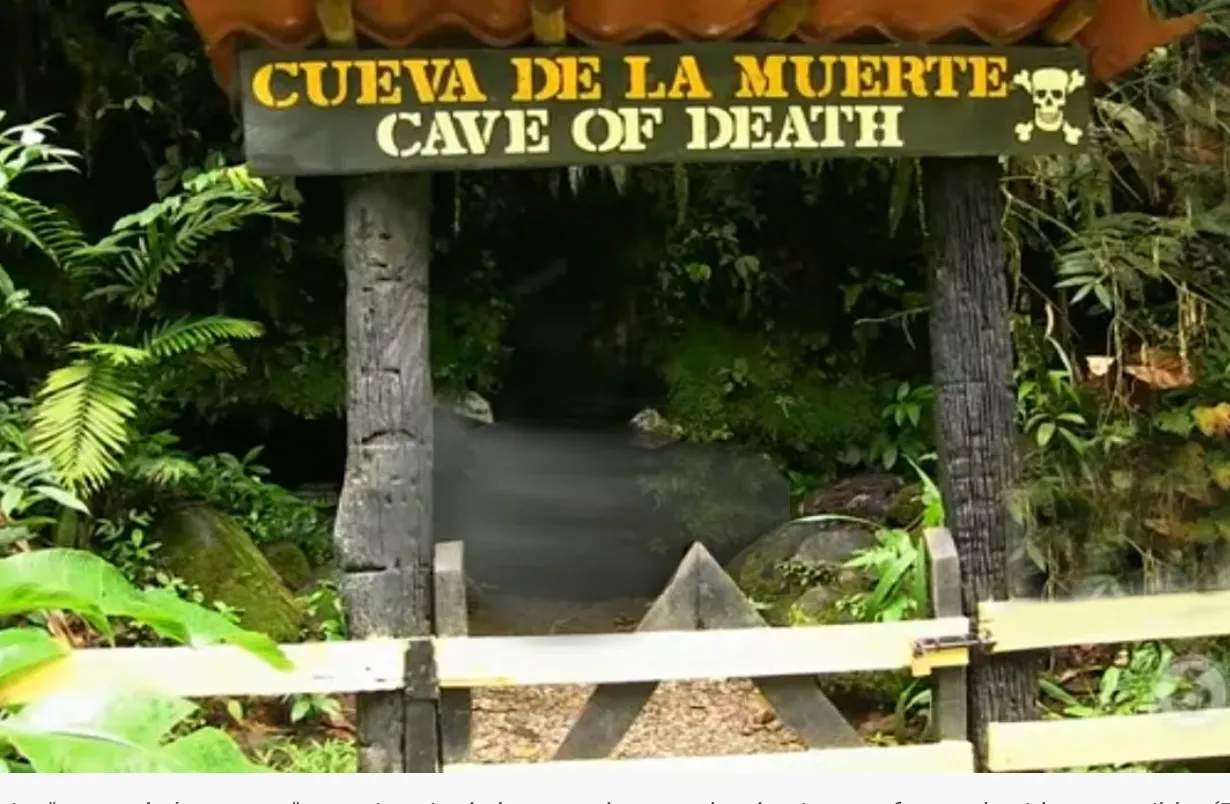
Just outside Poás Volcano, the “Cave of Death” (Cueva de la Muerte) features such high CO₂ levels that entering without protection can be fatal—a natural wonder that demands both awe and caution.
Culture & Everyday Oddities
License-Plate Driving Rule

In San José and other cities, drivers can only use their cars on certain days based on license plate numbers—an innovative traffic and emissions solution rarely seen elsewhere.
Every Church Faces West
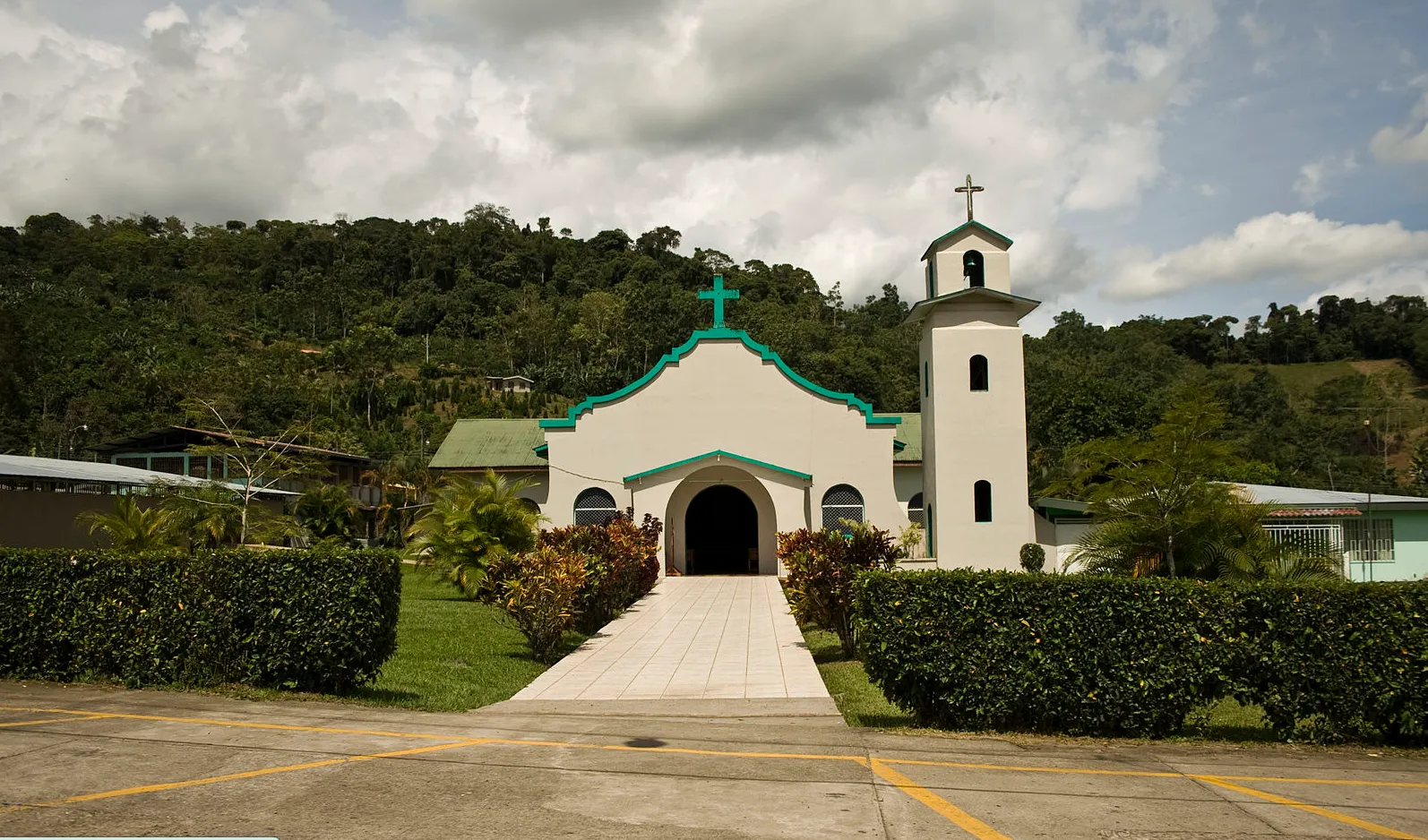
Almost every historic church in Costa Rica faces west—local lore suggests toward Jerusalem, though some historians think it’s a colonial tradition with practical roots.
Dead-Person Speed Bumps
Look for “son muertos”—speed bumps painted with skulls in rural towns. The macabre nickname and imagery are a local reminder: drive slow, and respect the living!
Pura Vida
Ethos & Gallo Pinto Breakfast
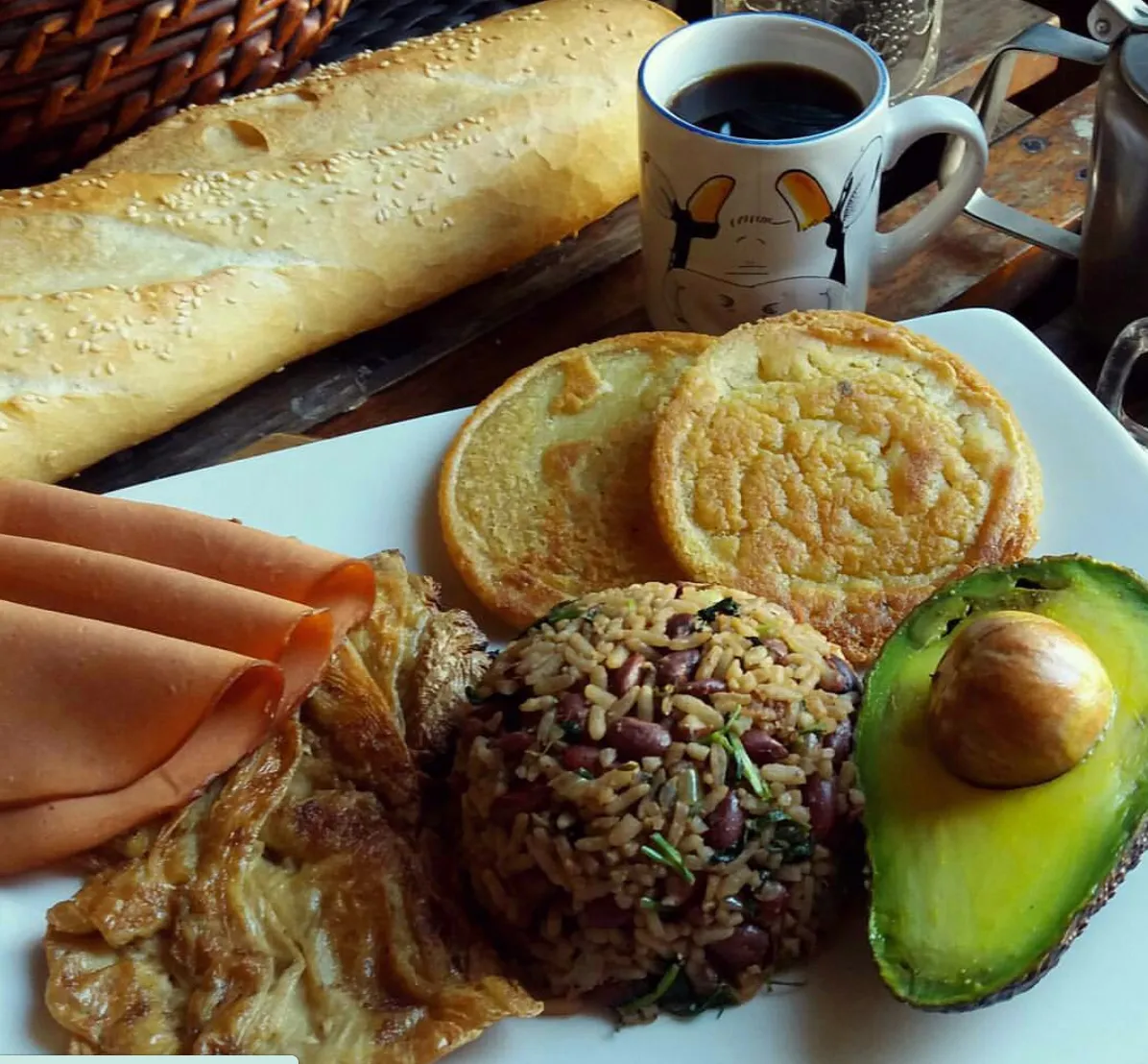
“Pura Vida” isn’t just a greeting—it’s Costa Rica’s national philosophy of optimism and gratitude. And Gallo Pinto (rice and beans with a twist) is the beloved breakfast that fuels the country every morning.
Oxcarts
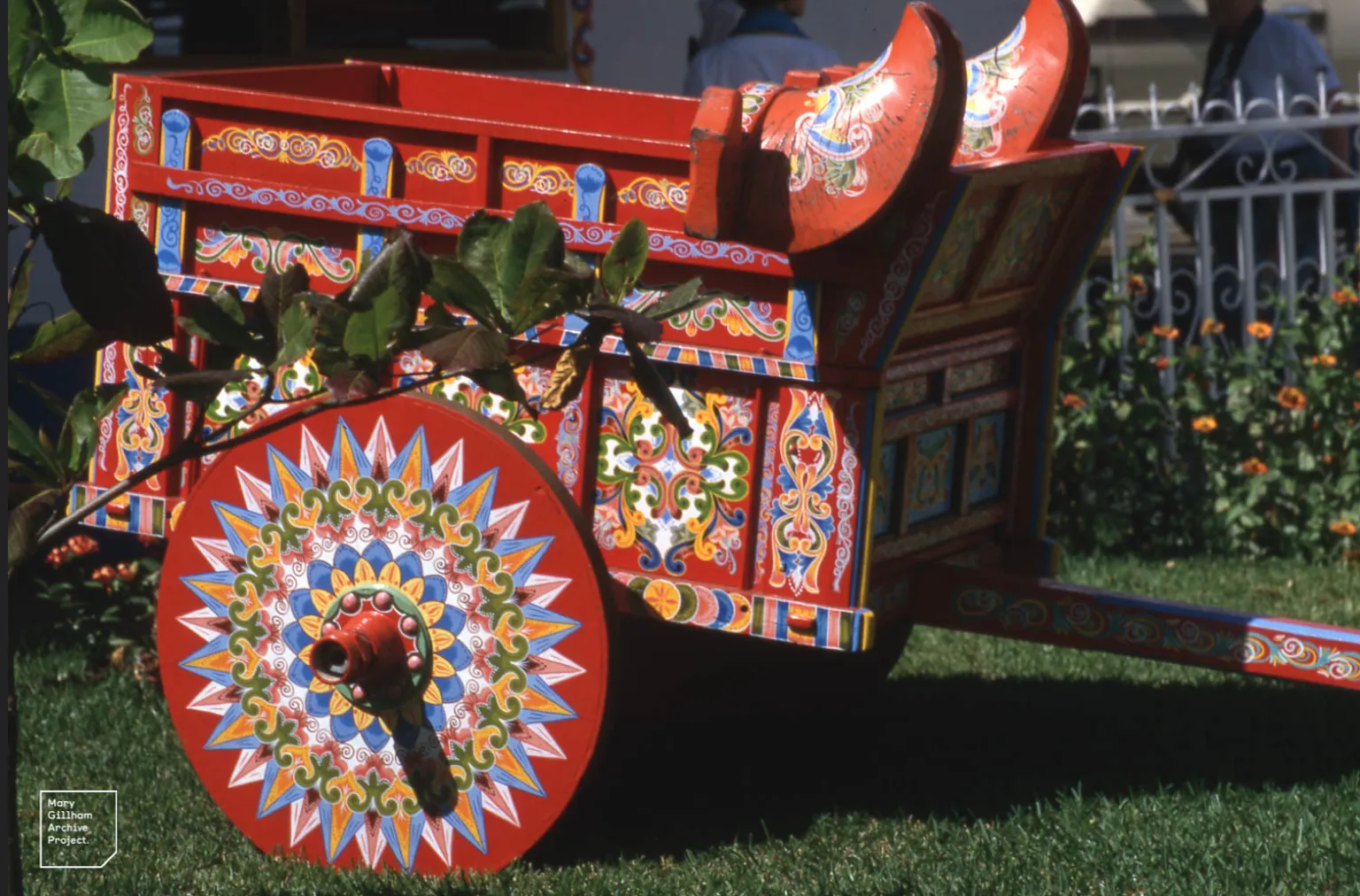
The beautifully hand-painted oxcart is a UNESCO-recognized national symbol. On weekends, catch their parades—with chimes and swirling colors—celebrating agricultural heritage and craftsmanship.
Longest Saxophone Note
Costa Rican musician Edgardo “Gordo” Vega holds a record: a 90-minute, non-stop saxophone note, proving that Costa Rican culture is full of surprising passions!
History & Social Innovation
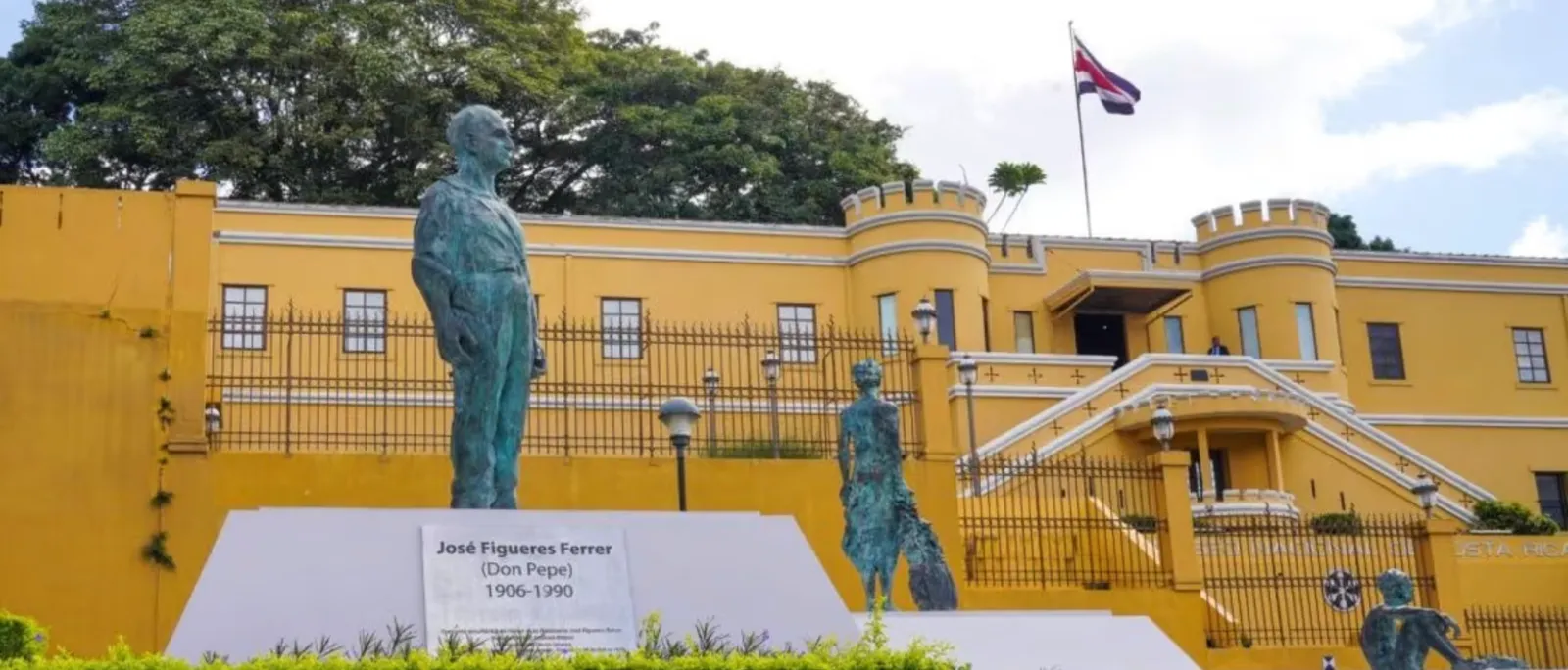
No Military Since 1949
Costa Rica permanently abolished its standing army in 1949, redirecting resources to schools, clinics, and conservation. Today, it’s one of the few nations without armed forces.
Penicillin Controversy
Costa Rican scientist Dr. Clodomiro Picado is credited with discovering penicillin mold in 1927, years before Fleming. While debates continue, his contribution to science lives on in local pride.
Sustainability Champions

Renewable-Energy Leader
Almost 100% of Costa Rica’s electricity comes from hydro, wind, solar, and geothermal sources. The country sets a global standard for green energy and climate action.
Deforestation Reversal
From losing 52,000 hectares of forest per year in the late 20th century, Costa Rica now loses just 4,700 hectares. National parks and corridors have sparked a remarkable ecological comeback.
Protected Lands
Over 25% of Costa Rica is legally protected, among the highest rates globally. These reserves ensure wildlife can thrive—just one reason eco-tourism is booming year after year.
Bonus: Quirky Costa Rica Trivia
Colón Banknotes
Every Costa Rican banknote features native wildlife—sloths, monkeys, crabs—melding art and environmental awareness right in your wallet.
Golden Toad
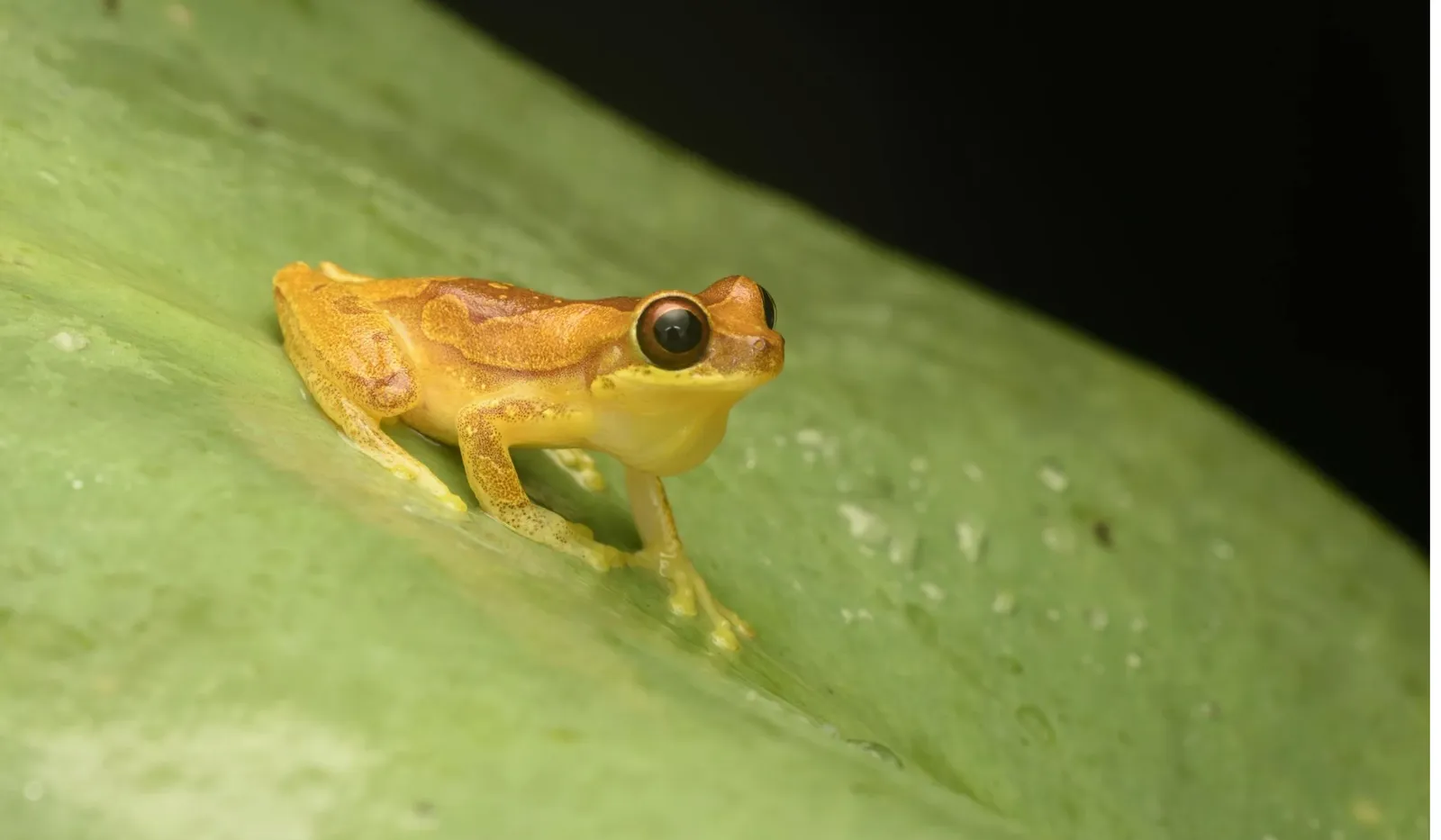
**The golden toad, a Monteverde icon, is now extinct in the wild—**a poignant symbol for conservationists and a stark reminder of climate change’s impact.
Largest Lake
Lake Arenal is Costa Rica’s largest—and it’s man-made! Today, it powers hydroelectric stations, fences off volcanoes, and supports endless outdoor adventures.
Turtle Nesting Wonders

Tortuguero National Park hosts millions of sea turtle eggs each year—one of the world’s most dramatic natural spectacles. Visit during nesting season for a once-in-a-lifetime wildlife experience.
Quick Q&A: Unique Facts About Costa Rica
Why no army in Costa Rica?
Since 1949, Costa Rica has abolished its military, investing defense funds into schools, healthcare, and conservation, creating a uniquely peaceful society.
What does “Pura Vida” really mean?
It’s the Costa Rican motto for “the good life”—embracing gratitude, relaxation, and a deep connection to nature and community.
Can you visit the Cueva de la Muerte safely?
Yes, but only with professional guides, protective equipment, and extreme caution—gawkers aren’t allowed, and for good reason.
What are the stone spheres, and where can I see them?
Mysterious, nearly-perfectly round stones found mostly in the Diquís Delta. Visit the Finca 6 archaeological park—now a UNESCO World Heritage Site.
Come Visit Costa Rica with Jaco Royale’s All-Inclusive Packages
Costa Rica’s magic lies in contrasts—tiny but biodiverse, pacifist but innovative, traditional and surprising. And there’s always more waiting just off the beaten path.
Explore eco-tours and national parks | Discover Costa Rican culture
Ready to uncover the wonders of Costa Rica? Book your adventure with Jaco Royale today!